
Blog, Garden Blog, Garden Tips
Timely Tips: Deadheading
Jul
The Art of Deadheading: How to Remove Spent Flowers for a Blooming Garden
Deadheading is a vital gardening practice that involves removing spent flowers from plants to encourage new blooms, improve plant health, and maintain a tidy appearance. Here’s a detailed guide on deadheading specific plants with tips and techniques to ensure your garden remains vibrant and flourishing.

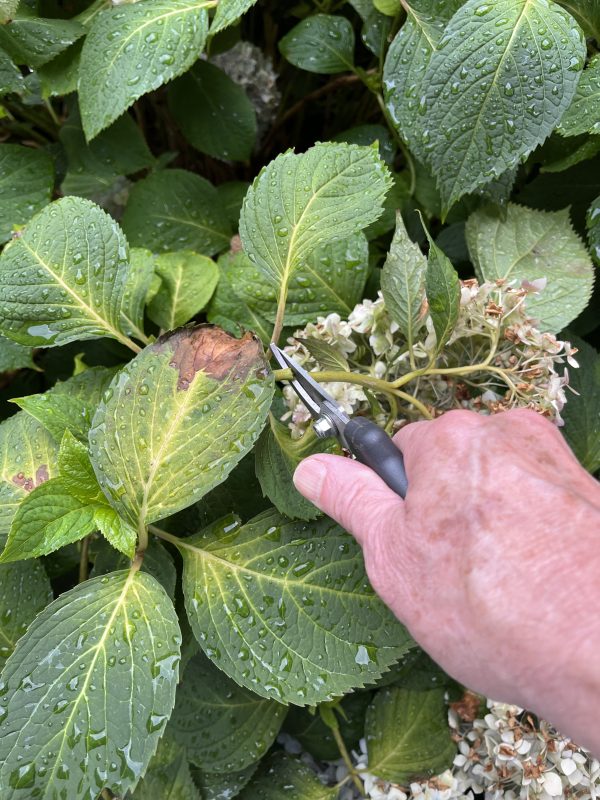
Hydrangeas
Hydrangeas are beloved for their large, colorful blooms. To deadhead hydrangeas:
- Identify spent flowers: Look for blooms that have faded or turned brown.
- Use clean, sharp pruners: Make a clean cut just above the first set of healthy leaves or buds below the spent bloom.
- Timing: Deadhead throughout the blooming season, but stop in late summer to avoid cutting off next year’s buds.
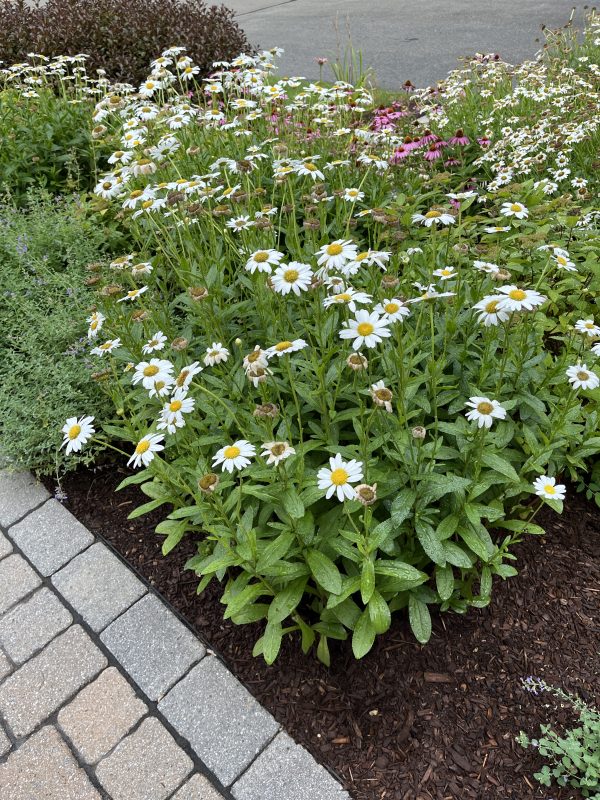

Shasta Daisy
Shasta daisies are cheerful perennials that benefit from regular deadheading:
- Identify spent flowers: Blooms that have wilted or browned should be removed.
- Use your fingers or scissors: Pinch or cut off the flower stem just above the next set of leaves or side buds.
- Frequency: Deadhead regularly during the blooming season to promote continuous flowering.
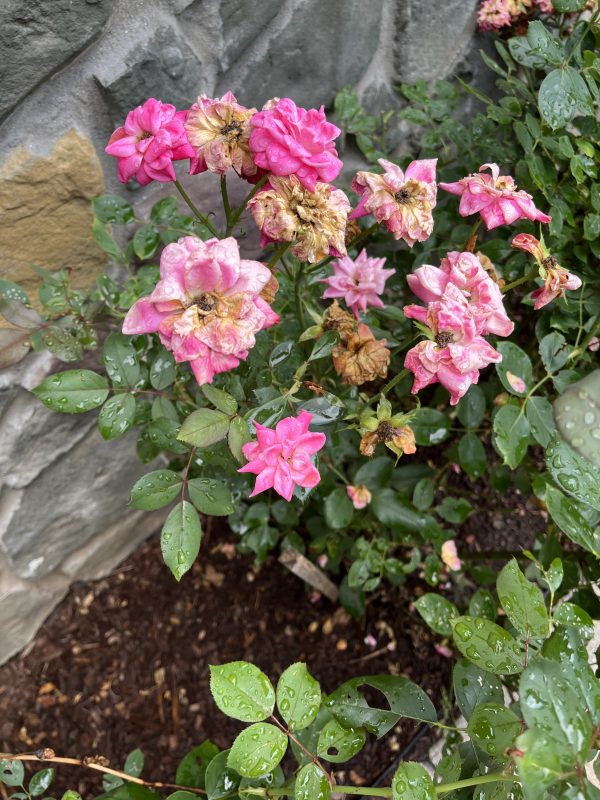
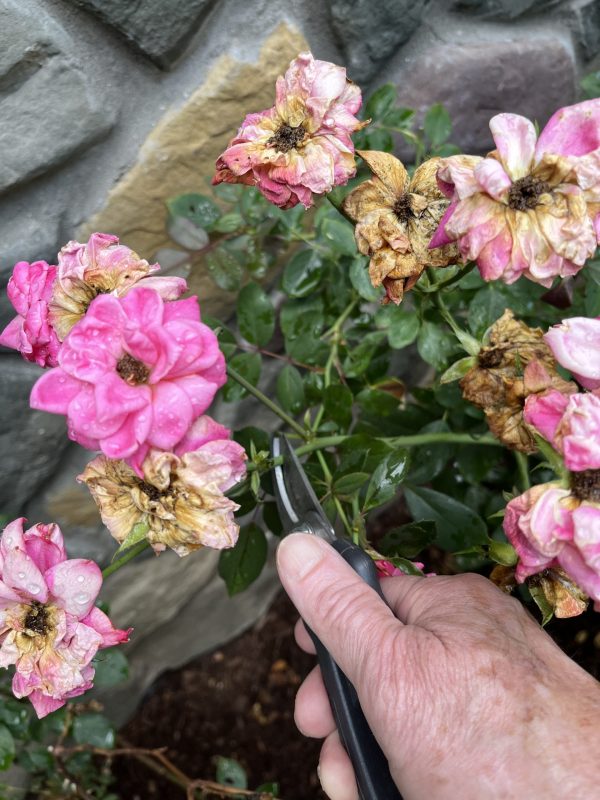
Roses
Roses are classic garden favorites that respond well to deadheading:
- Identify spent flowers: Remove blooms that are faded, wilted, or beginning to form hips.
- Use sharp pruners: Cut back to the first set of five leaves or a strong outward-facing bud.
- Technique: Make an angled cut to allow water to run off, preventing rot.
- Timing: Continue deadheading throughout the growing season to encourage new blooms.
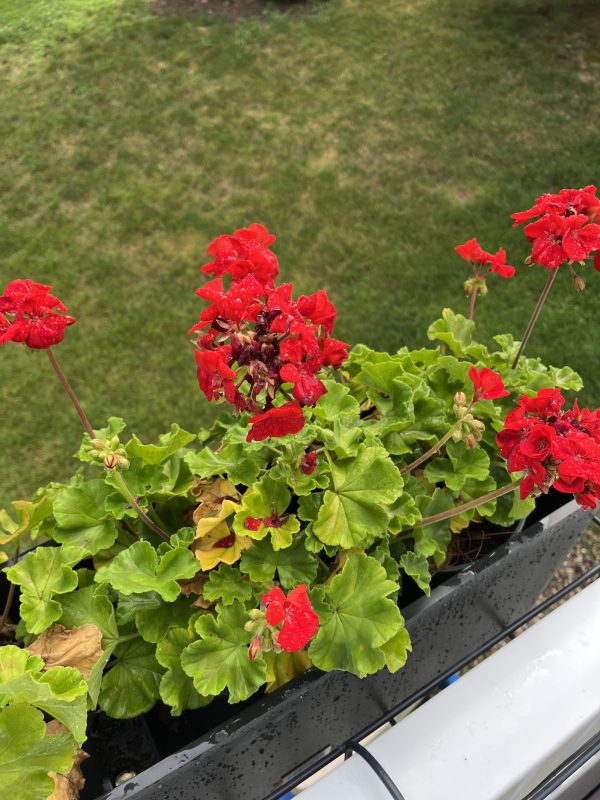
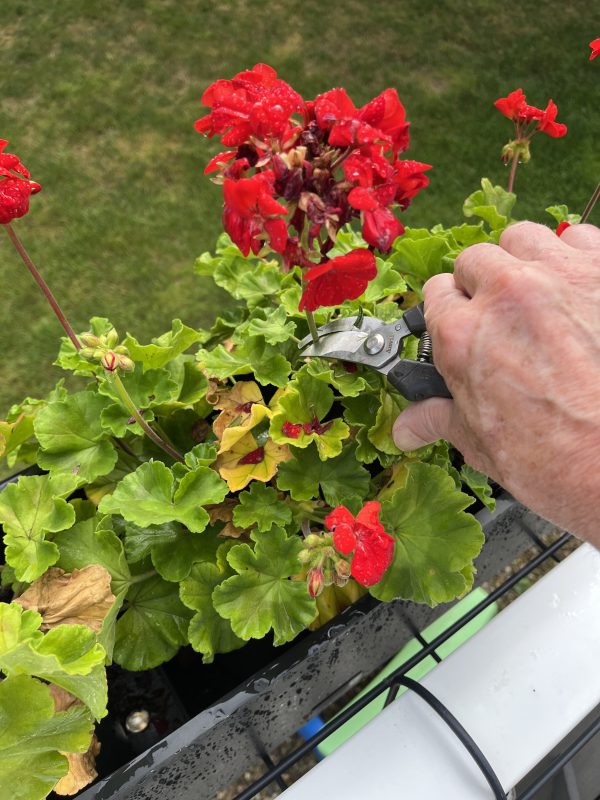
Geraniums
Geraniums (Pelargoniums) are popular for their long-lasting blooms and ease of care:
- Identify spent flowers: Look for flowers that are faded or wilted.
- Use your fingers: Gently snap off the spent flower stems at their base.
- Regularity: Deadhead frequently to keep plants looking tidy and to promote more blooms.


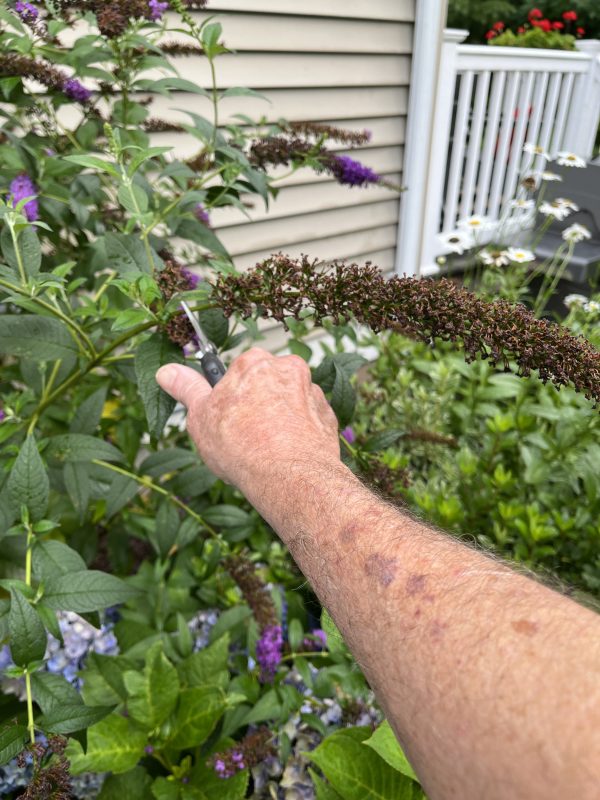
Buddleia (Butterfly Bush)
Buddleia is known for attracting butterflies and producing abundant blooms:
- Identify spent flowers: Blooms that have faded and begun to dry out should be removed.
- Use sharp pruners: Cut just above a set of healthy leaves or buds.
- Season-long care: Regular deadheading will encourage continuous flowering and prevent self-seeding.
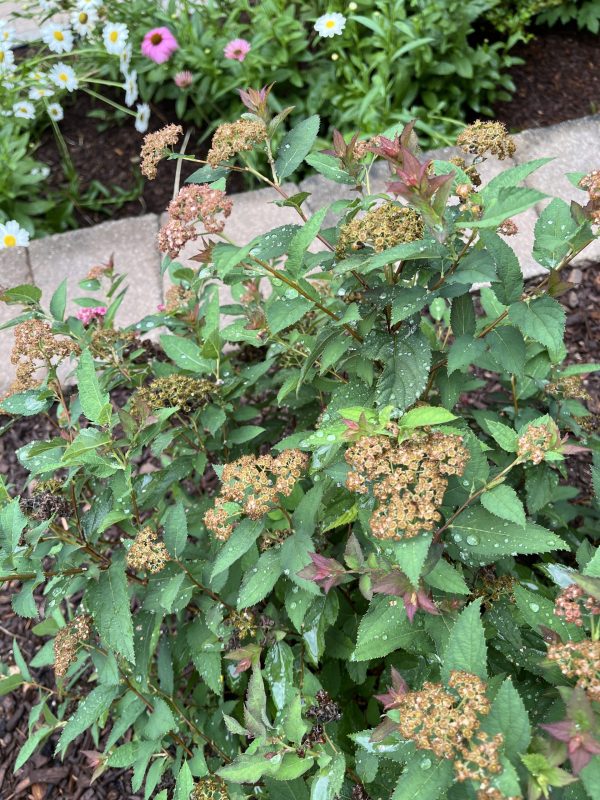
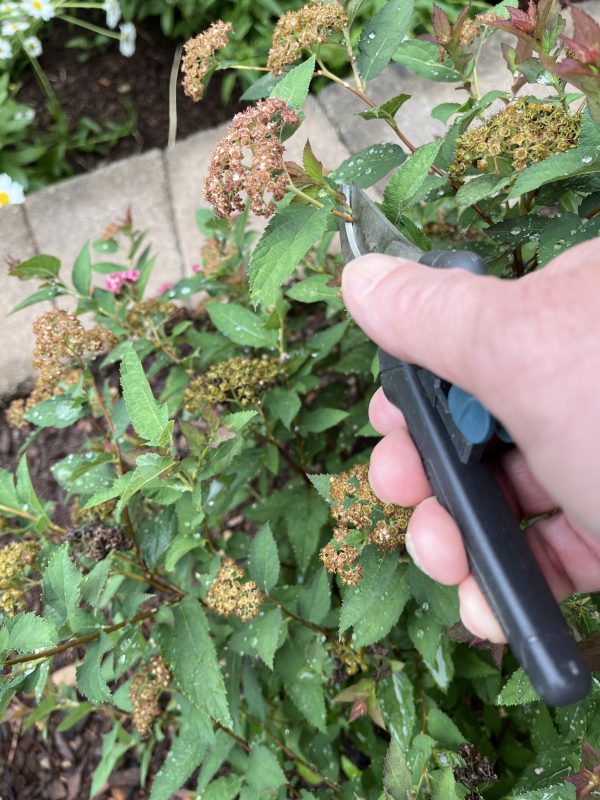
Spirea
Spirea shrubs are appreciated for their clusters of small flowers and easy maintenance:
- Identify spent flowers: Look for flower clusters that have faded or browned.
- Use sharp pruners or shears: Cut back the spent flower clusters to the next set of healthy leaves or buds.
- Timing: Deadhead after the main blooming period to encourage a second flush of flowers.

Daylilies
Daylilies produce abundant blooms, each lasting only a day, but regular deadheading can keep them looking fresh:
- Identify spent flowers: Remove the individual spent blooms daily.
- Use your fingers: Snap off the faded flowers at their base or use scissors for a clean cut.
- Frequency: Regularly deadhead throughout the blooming season to encourage new buds.

Petunias (Supertunias)
Many new varieties of petunias, including Supertunias, are self-cleaning and require no deadheading:
- Self-cleaning: These varieties drop their spent flowers naturally, so you can enjoy continuous blooms without the need for deadheading.
- Low maintenance: Perfect for gardeners looking for vibrant color with minimal effort.
General Tips for Deadheading
- Tools: Always use clean, sharp pruners or scissors to make precise cuts and avoid damaging the plant.
- Sanitation: Disinfect tools between plants to prevent the spread of diseases.
- Inspection: While deadheading, inspect your plants for signs of pests or disease.
- Watering and Feeding: Regular watering and feeding can enhance the benefits of deadheading by providing plants with the nutrients they need for new growth.
Deadheading is a simple yet effective way to keep your garden looking its best. By removing spent flowers, you not only encourage new blooms but also improve the overall health and appearance of your plants. Enjoy the continuous beauty and vitality of your garden with these deadheading tips!
