
Nov
As the temperatures drop and outdoor gardening season winds down, it’s time to bring a touch of nature inside. Creating an indoor garden not only brightens up your space but also improves air quality and adds a calming vibe to your home. If you’ve been thinking about starting an indoor garden, winter is the perfect time to give it a go! Here’s everything you need to know to turn your home into a lush, green oasis—even when it’s snowing outside.
Why Indoor Gardening?
Indoor plants do more than just look good—they help reduce stress, purify the air, and boost your mood. During the winter, houseplants can combat dry indoor air and bring a refreshing pop of green to your décor. Whether you’re a seasoned gardener or just starting out, there’s a plant for every skill level and space.
Easy-Care Houseplants for Beginners
Let’s kick off your indoor gardening adventure with some easy-to-care-for plants. Here are three beginner-friendly options to get you started:
- Peace Lily
Known for its elegant white blooms and dark green leaves, the peace lily is a forgiving plant that thrives in low light. It’s also a natural air purifier, making it a great addition to bedrooms and living rooms.Care Tips: Keep the soil slightly moist but not soggy. Peace lilies are great at letting you know when they need water—if the leaves start to droop, it’s time to give them a drink! - Snake Plant (Sansevieria)
The snake plant is as tough as they come, earning its nickname, “Mother-in-Law’s Tongue.” It tolerates low light, irregular watering, and dry indoor air—perfect for winter months.Care Tips: Place it in indirect light and water sparingly. Snake plants can go weeks without watering, so if you forget about it, no worries—this plant can handle it! - Pothos
Pothos are known for their beautiful, trailing vines and heart-shaped leaves. They adapt to various light conditions and are ideal for hanging baskets or placing on a shelf where they can cascade.Care Tips: Pothos prefer bright, indirect light but can tolerate low light as well. Let the soil dry out between waterings. Yellowing leaves may indicate overwatering, so adjust as needed.
Lighting: Find the Right Spot
Proper lighting is key to indoor plant success. During winter, natural light can be limited, but that doesn’t mean your plants have to suffer.
- Bright, Indirect Light: Ideal for most houseplants, including pothos and peace lilies. A spot near an east- or west-facing window is perfect. If the sun’s rays directly hit the leaves, it’s too much light.
- Low Light: For rooms with minimal natural light, opt for plants like snake plants or ZZ plants. These hardy species can thrive even in dim corners.
- Supplemental Light: If your home lacks natural light, consider using grow lights. LED grow lights mimic natural sunlight and can help your plants get the light they need during the darker months.
Watering: Less is More in Winter
One of the biggest mistakes indoor gardeners make is overwatering. During winter, most houseplants enter a dormant period and require less water.
- Check the Soil: Always check the soil before watering. Stick your finger about an inch into the soil—if it feels dry, it’s time to water.
- Reduce Frequency: With less sunlight and cooler temperatures indoors, plants don’t need as much water. Watering once every two to three weeks is usually sufficient for most houseplants during winter.
- Watch for Signs: Drooping or yellowing leaves can be a sign of too much or too little water. Pay attention to your plants and adjust your schedule accordingly.
Placement: Keep Them Cozy, Not Chilly
Cold drafts can be detrimental to your indoor plants. Here are a few tips to ensure your greenery stays happy all winter long:
- Avoid Drafty Areas: Keep plants away from doors, drafty windows, and heating vents. The sudden temperature changes can shock your plants.
- **Humidity Help
Winter air can be dry, and most houseplants prefer a bit of humidity—especially tropical varieties like peace lilies and ferns.
- Increase Humidity: You can help by placing a humidifier nearby, grouping plants together (they create a mini microclimate), or using a pebble tray. Simply fill a shallow tray with pebbles and add water just below the top of the pebbles, creating a humid microenvironment as the water evaporates.
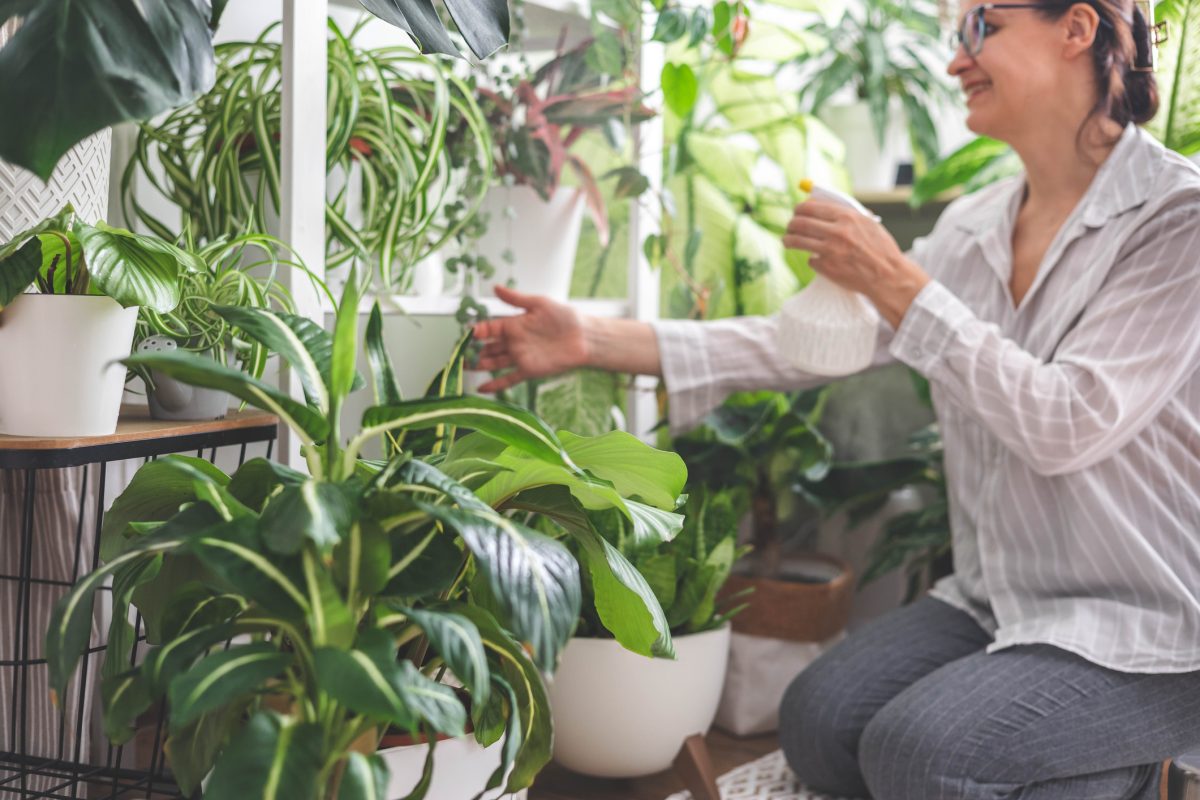
- Misting: While misting can provide a temporary boost, it’s usually not enough on its own. Misting is better suited for plants with thin leaves, like ferns, but keep it minimal to prevent mold.
Feed Your Plants (Gently)
During the winter months, most houseplants enter a period of slower growth or dormancy. This means they need less food, too.
- Hold Off on Fertilizer: Save the heavy feeding for spring and summer. In winter, fertilize sparingly—once every 4-6 weeks is usually enough.
- Use a Diluted Formula: If you choose to fertilize, opt for a diluted, balanced liquid fertilizer. It’s better to under-fertilize than to overdo it, which can harm your plants.
Creating a Green Oasis Indoors
Think about creating clusters of plants to build a mini indoor jungle. Grouping plants together not only looks beautiful but also helps maintain higher humidity levels. Consider different heights, leaf shapes, and textures for an appealing display.
- Vertical Space: Use hanging baskets, shelves, or plant stands to maximize your indoor space. Plants like pothos and spider plants are great for trailing down from higher spots.
- Mix and Match: Pair broad-leafed plants like peace lilies with upright, spiky varieties like snake plants for contrast. Add smaller succulents or cacti for variety and a pop of color.
Troubleshooting Common Issues
If you’re new to indoor gardening, don’t be discouraged by a few brown leaves or drooping stems—it’s part of the learning process. Here’s how to troubleshoot common winter problems:
- Yellowing Leaves: This often indicates overwatering. Let the soil dry out a bit before your next watering.
- Crispy Brown Tips: Dry indoor air may be to blame. Increase humidity with a humidifier or by grouping plants together.
- Drooping Leaves: Check the soil moisture. If it’s dry, give your plant a thorough watering. If it’s soggy, hold off and let the soil dry out.
Visit 16 Acres for Your Indoor Gardening Needs
Ready to bring a little green indoors this winter? Stop by 16 Acres for a wide selection of easy-care houseplants, beautiful pots, and everything you need to create your own indoor oasis. Our knowledgeable staff is here to help you choose the perfect plants for your home and answer any questions you have.
This winter, let’s keep the gardening fun going—all year round. 🌱
