
Mar
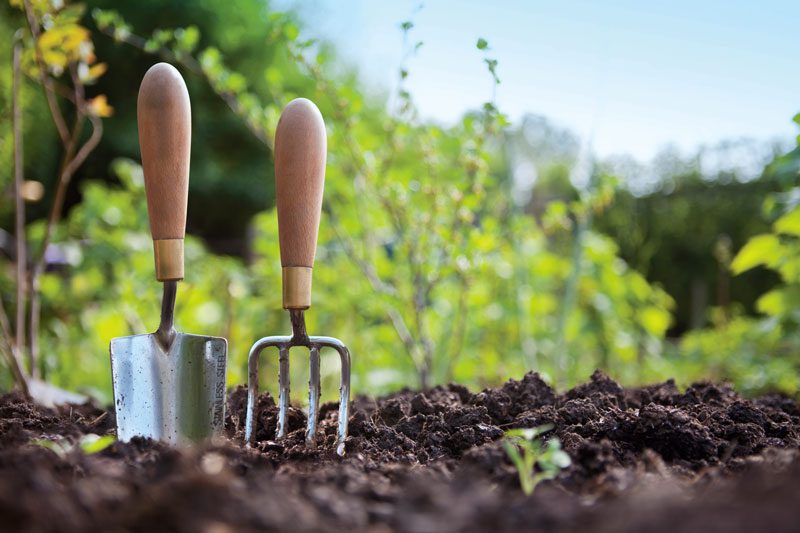
Many gardeners assume fertilizer is the key to healthy plants. While nutrients are important, the real foundation of a productive garden is healthy soil. Soil structure, organic matter, and beneficial microbes work together to support plant growth, retain moisture, and deliver nutrients naturally.
When soil is healthy, plants develop stronger roots, resist stress more easily, and produce better harvests. Improving soil health is one of the most valuable long term investments any gardener can make.
At Sixteen Acres Garden Center, located at 1359 Wilbraham Road, Springfield, MA 01119, gardeners throughout the Springfield area focus on building stronger soil to support productive flower and vegetable gardens year after year.
What Healthy Soil Really Means
Healthy soil is more than just dirt. It is a living system made up of minerals, organic matter, air, water, and billions of microscopic organisms.
Good soil supports plant growth by providing:
Strong soil structure
Well structured soil allows roots to spread easily and access oxygen.
Balanced moisture levels
Healthy soil holds moisture without becoming waterlogged.
Active microbial life
Beneficial bacteria and fungi help break down organic matter and release nutrients to plants.
When these elements work together, plants receive the support they need without relying heavily on synthetic fertilizers.
The Importance of Soil Structure
Soil structure refers to how soil particles bind together to form small aggregates or clusters. This structure determines how well water drains, how much air reaches plant roots, and how easily roots grow.
Poor soil structure can cause problems such as:
Compacted soil that restricts root growth
Water pooling on the surface
Poor nutrient availability
Improving soil structure often begins with adding organic matter and reducing unnecessary soil disturbance.
Organic Matter Builds Better Soil
One of the best ways to improve soil health is by increasing organic matter.
Organic matter includes materials such as:
Compost
Aged manure
Shredded leaves
Grass clippings
These materials break down over time and improve soil texture while providing nutrients slowly and naturally.
Organic matter also helps soil retain moisture during dry periods and improves drainage during heavy rain.
The Role of Soil Microbes
Healthy soil is alive with microorganisms. Bacteria, fungi, and other microscopic life forms play a critical role in breaking down organic matter and making nutrients available to plants.
These microbes form partnerships with plant roots and help:
Release nutrients from organic materials
Improve nutrient absorption
Protect plants from certain diseases
Supporting microbial life is essential for building long term soil fertility.
Simple Ways to Improve Soil Health
Gardeners can strengthen soil health using several practical methods.
Add compost each year
Compost improves soil structure and provides nutrients.
Use mulch to protect soil
Mulch helps maintain moisture, reduces erosion, and supports microbial activity.
Rotate crops in vegetable gardens
Crop rotation prevents nutrient depletion and helps reduce pests.
Avoid over tilling
Excessive tilling disrupts soil structure and beneficial microorganisms.
Grow cover crops when possible
Cover crops add organic matter and protect soil between growing seasons.
Small improvements each season can significantly increase soil productivity over time.
Fertilizer vs Soil Health
Fertilizer provides nutrients directly to plants, but it does not improve the underlying condition of the soil.
Healthy soil, on the other hand, supports plants naturally by:
Releasing nutrients gradually
Holding moisture during dry periods
Encouraging beneficial biological activity
In many cases, improving soil health reduces the need for frequent fertilizer applications.
Visit Sixteen Acres Garden Center
Sixteen Acres Garden Center
1359 Wilbraham Road
Springfield, MA 01119
Phone: (413) 783-5883
Winter Hours
Monday through Saturday 8 AM to 5 PM
Sunday 10 AM to 4 PM
Gardeners throughout Springfield and Hampden County visit Sixteen Acres Garden Center for compost, soil amendments, mulches, and expert advice on building healthier garden soil.
FAQ Soil Health and Garden Productivity
What is the difference between soil and dirt?
Soil contains minerals, organic matter, air, water, and living organisms that support plant life. Dirt is simply displaced soil that no longer supports plants.
How often should compost be added to garden beds?
Adding compost once or twice a year is a common practice for maintaining healthy soil.
Can poor soil be improved over time?
Yes. Adding organic matter, using mulch, and reducing soil disturbance can gradually rebuild soil structure and fertility.
Do vegetable gardens require different soil than flower beds?
Both benefit from rich organic matter, though vegetable gardens often require more frequent soil improvement due to heavy nutrient use.
Is fertilizer still useful in healthy soil?
Yes, but in smaller amounts. Healthy soil often reduces the need for frequent or heavy fertilizer applications.
Healthy soil supports healthier plants, stronger root systems, and more productive gardens. By focusing on soil health first, gardeners create a foundation that benefits every plant in the landscape.
