
Oct
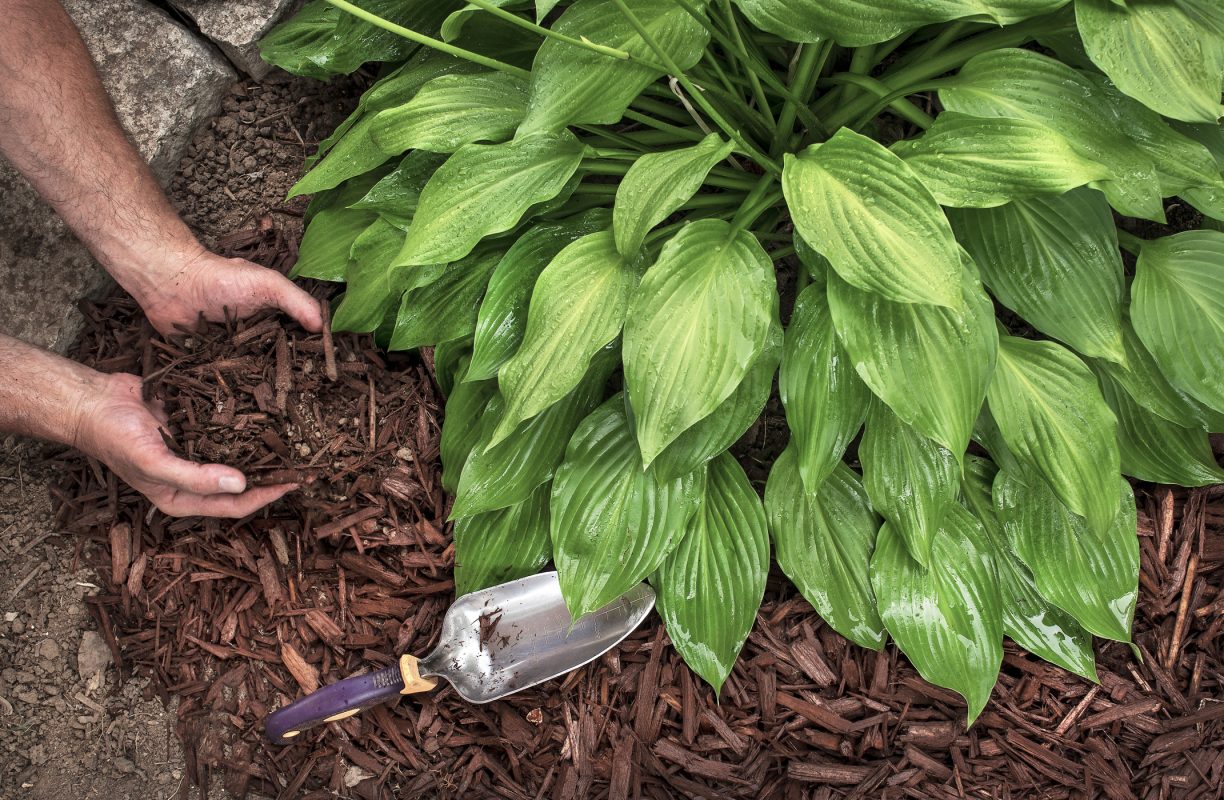
As fall rolls in and the garden begins its transition, mulching is one of the best things you can do to prepare for a healthy and thriving garden next season. At 16 Acres Garden Center, we’re all about helping you make sustainable choices that benefit both your plants and the environment. Whether you’re an experienced gardener or just starting to embrace sustainable gardening techniques, this guide will give you the tools to master mulching this fall.
Why Mulch Matters
Mulching does so much more than just making your garden look tidy. Here are some key benefits:
- Soil Health: Mulch enriches the soil as it decomposes, providing valuable nutrients for your plants.
- Moisture Retention: By covering the soil, mulch reduces evaporation and helps the soil retain moisture, which is crucial during the colder, drier months.
- Weed Control: Mulch acts as a natural barrier, preventing weeds from getting the sunlight they need to grow.
- Temperature Regulation: Mulch helps insulate the soil, keeping it warmer in the winter and cooler in the summer, creating a more stable environment for plant roots.
Advanced Mulching Techniques for the Fall Garden
If you’re looking to elevate your mulching game, there are a few techniques that go beyond the traditional bark or straw layer. These advanced methods can boost soil health and sustainability, making them perfect for gardeners looking to nurture their soil over the long term.
1. Compost Mulching
Compost mulching is a simple yet powerful way to improve soil health. Instead of—or in addition to—using traditional mulches, you can apply a layer of well-aged compost around your plants.
- How to Do It: Spread a 1–2 inch layer of compost on top of the soil. Make sure not to pile it up against plant stems or trunks to avoid rot. Compost will gradually break down, enriching the soil with organic matter and nutrients.
- Benefits: This technique feeds your plants while still providing all the other benefits of mulching, like moisture retention and weed control. It’s an excellent way to close the loop on food waste by reusing kitchen scraps and yard waste to feed your garden.
2. Sheet Mulching (Lasagna Gardening)
Sheet mulching, also known as lasagna gardening, is an ideal technique for gardeners who want to improve poor soil or prepare a new garden bed without tilling.
- How to Do It: Start by laying down cardboard or thick layers of newspaper over the area where you want to mulch. This layer smothers existing weeds and grass. On top of that, layer organic materials like compost, straw, grass clippings, leaves, and more compost or soil. Over time, these layers will break down, enriching the soil beneath.
- Benefits: Sheet mulching creates a rich, healthy soil environment that supports microbial life, retains moisture, and dramatically reduces weed growth. It’s also an easy way to transform neglected garden areas into fertile planting zones without the need for heavy labor.
Sustainable Mulch Options
When choosing mulch, sustainability should always be a consideration. Here are some eco-friendly mulching options available at 16 Acres Garden Center:
- Shredded Leaves: Instead of bagging up your fall leaves, shred them and use them as mulch. They break down over the winter, improving soil structure and adding nutrients.
- Grass Clippings: Another free mulch option, grass clippings add nitrogen to the soil as they decompose.
- Straw or Hay: Straw or salt hay can be an excellent mulch for the vegetable garden. Just make sure you’re using straw (not hay) to avoid bringing weed seeds into your garden.
- Compost: Available right here at 16 Acres Garden Center, compost can be used as a mulch to improve your soil’s nutrient content over time.
- Cocoa Shell Mulch: An attractive, sustainable option that also adds a rich layer of nutrients to the soil as it breaks down. (Just be aware that cocoa shell mulch can be harmful to pets.)
When and How to Mulch in Fall
The best time to mulch your fall garden is after the first hard frost, once the ground has cooled but before it freezes solid. This will help protect plant roots from extreme temperature fluctuations.
- How Much Mulch to Use: For most applications, aim for a 2–4 inch layer of mulch. Too little, and it won’t be effective; too much, and you risk smothering plants or causing excessive moisture retention.
- Pro Tip: If you’re mulching around perennials, be sure to leave a small gap around the base of each plant to prevent rot. For trees and shrubs, keep the mulch 6–12 inches away from the trunk.
Wrapping Up Your Fall Mulching
Mulching is one of the easiest ways to boost the health of your soil and set your garden up for success next year. Whether you opt for traditional mulch or try advanced techniques like compost or sheet mulching, you’ll be giving your garden the protection it needs for a strong start in the spring.
Stop by 16 Acres Garden Center to pick up everything you need for your fall mulching project, from high-quality compost to sustainable mulch options. Our knowledgeable staff is always here to help you make the best choices for your garden. Let’s get mulching!
