
Blog
Plant a Pollinator Garden This Spring
Apr
Spring is one of the best times to start a pollinator garden. As bees, butterflies, and other beneficial insects become active again, they need reliable sources of nectar and pollen to help them thrive. Creating a pollinator garden is a simple and rewarding way to support local ecosystems while adding beautiful color and life to your yard.
A pollinator garden does not have to be complicated. Start by choosing a sunny location, since most pollinator-friendly plants perform best with at least six hours of sunlight each day. Good soil is also important, so consider enriching your planting area with compost or quality garden soil before you begin.
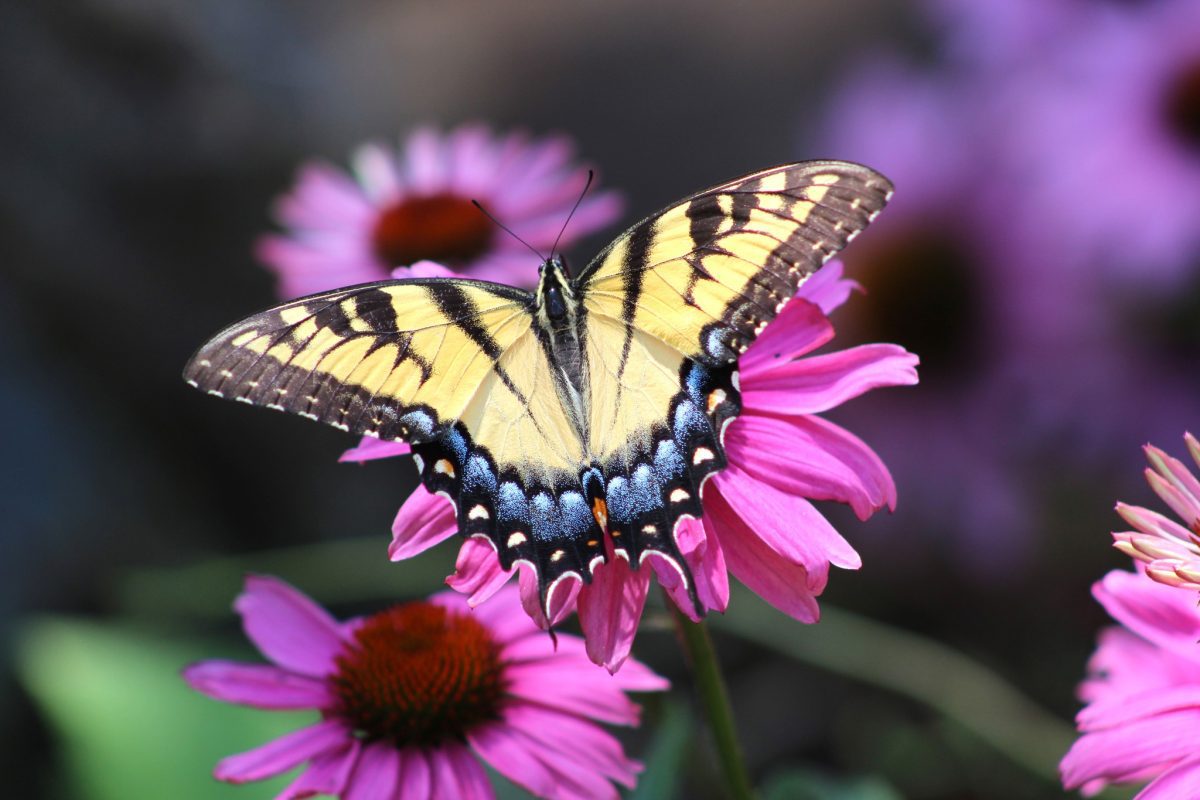
When selecting plants, aim for a mix of flowers that bloom at different times throughout the growing season. Early spring bloomers are especially helpful because they provide food for pollinators just as they are emerging. Popular choices may include coneflowers, bee balm, black-eyed Susans, salvia, milkweed, lavender, and native wildflowers suited to your area. Native plants are often the best choice because they are well adapted to local conditions and especially attractive to native pollinators.
Try to plant in clusters rather than scattering individual plants throughout the garden. Larger groups of the same flower are easier for pollinators to spot and visit. Including a variety of flower shapes and colors will also attract a wider range of insects, since different pollinators are drawn to different plant types.
Avoid using pesticides whenever possible, especially on flowering plants. Even products labeled for garden use can be harmful to bees and butterflies. Instead, focus on healthy soil, proper watering, and selecting strong plants that are suited to your growing conditions.
Adding a shallow water source, such as a dish with stones, can make your pollinator garden even more inviting. Pollinators need a safe place to land and drink, especially during warm weather. Leaving a small area of your garden a little wild can also provide shelter and nesting spots for beneficial insects.
At Sixteen Acres Garden Center, spring is the perfect time to get started with pollinator-friendly plants, soil, and garden essentials. Whether you are planting a large backyard bed or a few containers on a porch or patio, even a small space can make a big difference for pollinators this season.
FAQs
What is a pollinator garden?
A pollinator garden is a garden designed to attract and support bees, butterflies, hummingbirds, and other beneficial pollinators by providing nectar, pollen, water, and shelter.
Why should I plant one in spring?
Spring planting gives flowers time to establish early and provides an important food source when pollinators first become active.
Do I need a large yard?
No. Pollinator gardens can be created in raised beds, borders, or even containers on a patio or deck.
What kinds of plants work best?
Native flowering plants are often the best choice. Look for a variety of blooms with staggered flowering times so pollinators have food throughout the season.
Should I avoid pesticides?
Yes. Reducing or eliminating pesticide use helps create a safer environment for bees, butterflies, and other helpful insects.
Visit Us Here
Sixteen Acres Garden Center
1359 Wilbraham Road
Springfield, MA 01119
Phone: (413) 783-5883
Spring Hours:
Monday through Sunday
8 AM to 5 PM
